
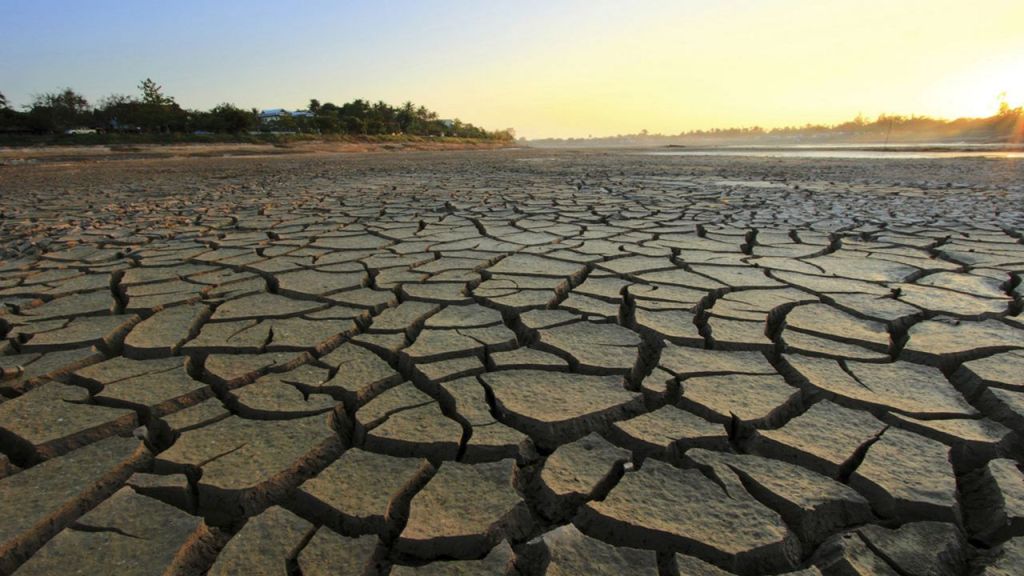
When people think of natural disasters, they often picture tornados, hurricanes or earthquakes. All of these weather phenomenon can cause massive destruction and wipe entire towns off the face of the Earth. However, droughts often get over looked when discussing natural disasters. Unlike other types of severe weather, which occur in a short span resulting in physical destruction, a drought occurs over a long period of time. While, it’s effects can sometimes be much less visible, the toll it takes on the people and wildlife in the area is just as major.
WHAT IS A DROUGHT
In order to understand how a drought affects a certain region, we need to know what a drought is. According to the USGS, a drought is a period of dryer than normal conditions that results in water related issues. For example, if an area normally receives 100 inches of rain a year, but receives just 30 inches, then reservoirs, dams and rivers will begin to dry up.
The amount of rain can vary dramatically between regions. For example, the Amazon Rainforest can receive 6-10ft (72-120 inches) of rain annually. Whereas the Sahara receives on average 3 inches of rain each year. Other regions of the world can receive amounts somewhere in between these two extremes. While the exact amount of rainfall can vary each year, over several years the averages remain fairly consistent. When an area receives less than their documented average amount of rainfall, the area is considered to be in a drought.
TYPES OF DROUGHTS
Overall, there are 4 basic types of droughts. While all of them are caused by lack of rainfall, their impacts are felt differently depending on the region most affected.
Meteorological Drought
A meteorological drought is one of the most quantifiable ways to determine a drought. It is defined by the degree of dryness measured again the “normal” amount of rainfall and the duration of the dry period. Since amounts of rainfall can vary drastically between regions, each definition is region specific.
Some definitions can be based on the number of days with precipitation (rain) against a predetermined threshold (such as normal average number of days with rain). However, this definition only works for areas where precipitation occurs year round. For example, if New Orleans on average receives 55 days of rain a year, but only receives 40 days of rain in a given year, that means a drought is occurring. A similar definition, comparing the number of days without rain, is also used in some parts of the world. A region may experience an average of 50 days without rain a year. However, if they are up to 70 or 80 days without rain, that means they are in a drought.
For areas that do not receive year round rainfall can be characterized by a season pattern instead of an annual amount. Parts of the central United States, Australia and West Africa use a seasonal measure, because extended periods without rainfall is common without negative effects.
Agricultural Drought
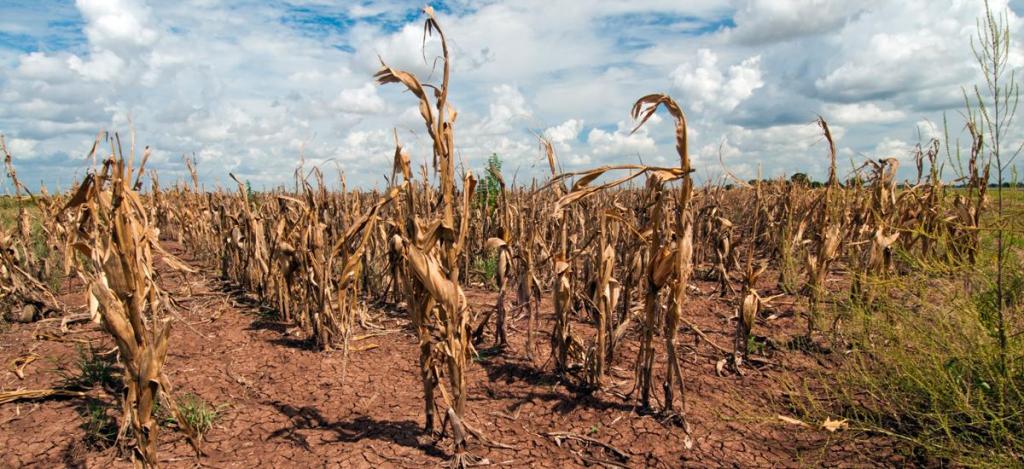
An agricultural drought connects a meteorological/hydrological drought to effects on agriculture. Factors such as evaporation, soil water, groundwater levels are just a few considerations taken into account when defining an agricultural drought. An example could be the effects of deficient soil and groundwater levels effecting plant growth at the start of growing season. Reduced levels during planting could lead to reduced plant gemination and reduced growth. However, if groundwater and soil water levels are reasonable at the start of the growing season, then crops will be less effected by reduced rainfall later in the season.
Hydrological Drought
A hydrological drought factors in all forms of precipitation, including snowfall. The severity of a hydrological drought is determined by comparing water shed and river basin levels. A hydrological drought focuses on the water table (groundwater, streams/rivers, lakes, reservoirs, etc.). While all droughts are caused by a lack of precipitation, a hydrological drought occurs when the water table and waterways begin to dry up or dip below normal levels. This differs from a lack of rainfall because, they often are not in sync with lack of rainfall levels. For example, the water table, rivers and waterway levels will only be affected after a prolonged period of no rainfall.
It could be months before a lack of rainfall effects the water table and reservoirs. Since farmers and their crops are maintained by the water table and reservoirs, a lack of rainfall will not immediately affect their production. And conversely, a steady rainstorm amidst a drought, will not offer relief from the conditions.
Socioeconomic Drought
Droughts can effect all people in many different ways, including the ability to manage goods and for people to live their daily lives. A socioeconomic drought combines the effects of a meteorological, agricultural and hydrological drought with the availability of goods and resources for the affected location. The supply of goods, fish, water, food and hydroelectric power (using running water to generate electricity, much like a dam) are all dependent on weather. For example, a reduction of hydroelectric power caused by a drying river (hydrological drought) due to a lack of rainfall (meteorological drought) can cause a higher demand for oil and petroleum, thus increasing the price.
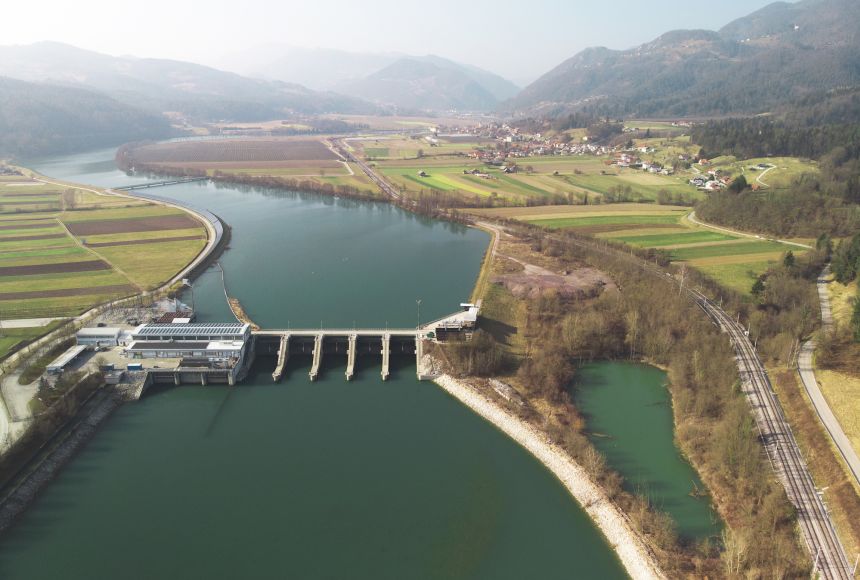
In 1988 and 1989 Uruguay experienced a drought so severe the nation had to import petrol to meet the nations demands. Even then, the small nation struggled to function. As a result, the nation had to further implement strict energy conservation measures in order to meet the nations power needs. As the world population increases, the demand for economic goods will also increase and effects of droughts on society will become magnified.
EFFECTS OF DROUGHTS
One of the biggest necessities during a drought is maintaining an adequate food and water supply. When a large population can no longer access a reliable food source is known as famine, and it often is one of the biggest effects during a drought. Without water, farmers cannot grow the grain to produce essential ingredients such as flour, grain, corn or wheat. Without grains, farmers will be unable to feed their livestock, leading to a shortage of milk, cheese and meat.
With long term famine, comes malnourishment. A shortage of food often leads to a shortage of essential vitamins and minerals. Lack of these vitamins and minerals in children can lead to growth defects, disease, developmental delays and death. While there are treatment options available for those suffering from malnourishment, it is often unavailable in the areas most affected by long term droughts.
East Africa is experience a severe drought and widespread food shortages and famine affecting over 13 million people, including millions of children. It is estimated that a large percentage of those most severely affected by acute malnourishment are children under 5. Getting treatment to areas such as Kenya, Ethiopia, and Somalia can be challenging. In most of these nations, civil unrest and war has broken out as locals and organized groups begin to fight for control of the little resources that remain. This unrest makes getting basic medical supplies and medical help extremely dangerous, which only makes the disaster worse.
SECONDARY DISASTERS
Public effects aren’t the only issues that occur during a drought. Secondary disasters such as wildfires, mudslides and flooding can turn a struggling population into one that’s desperate for help. Wildlife also living in the region are greatly affected by reduced habitat and resources. Species could die off or be forced to relocate to a new area creating new issues for the ecosystem. If a species is endangered or threatened, there may not be many options for survival.
Wildfires
Wildfires often occur in areas affected by droughts. Dry soil and vegetation can easily hold a flame if ignited. An ember from a campfire, discarded cigarette or lightening strike could spark a fire endangering the remaining vegetation. Wildfires quickly spread, endangering homes and reducing air quality.
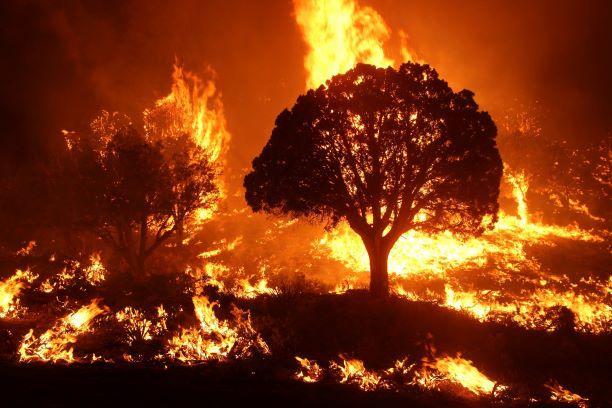
A reduction in air quality can exacerbate chronic lung problems. Long term can lead to increased cancer rates and other health problems. With water already in short supply, firefighters need to use what little resources to remain to try and contain the fire. Containing a fire could take weeks or even months depending on the location and size and firefighters often need help from mother nature.
Mudslides
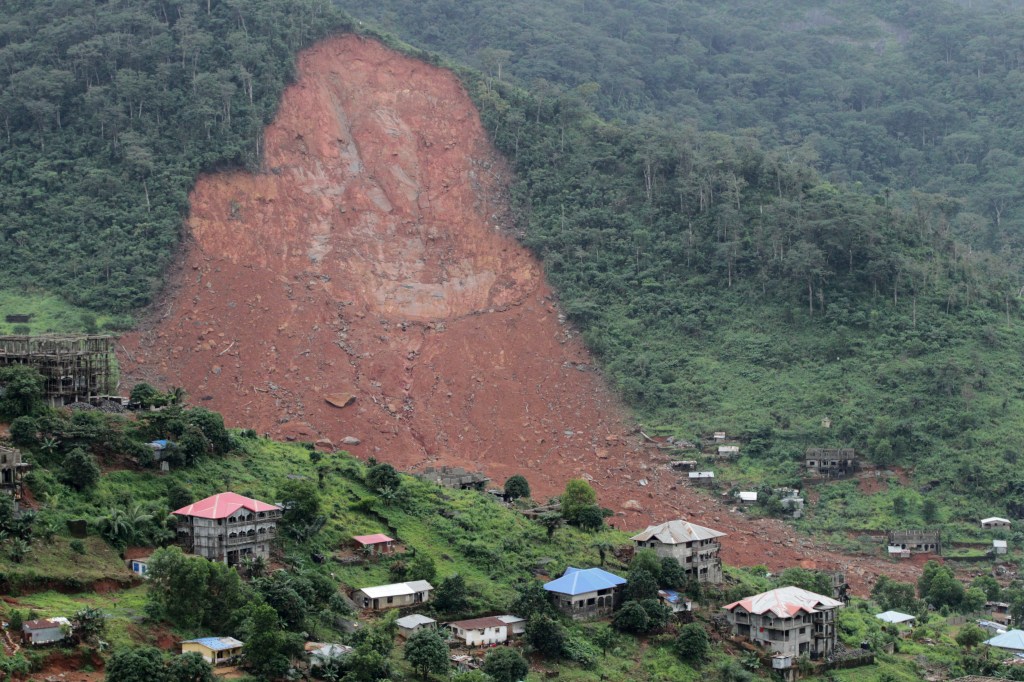
Mudslides often follow wildfires. Once a wildfire is extinguished, the risk for mudslides raises. Tree and vegetation roots are extremely important to the stability of a slope. The roots running through the soil help bind the soil, acting like a skeleton running through the ground.
Once the fire kills the trees, the roots begin to degrade and soil becomes much looser. All it takes is a light rain to fully destabilize the ground and weaken the soil, triggering a mudslide. The fast flowing, highly destructive land mass containing all types of debris will collect and bury anything in its path. Depending on the severity of the wildfire, the mudslide risk can persist for up to 40 years after a fire. Generally, the risk will remain until new vegetation can reinhabit the region.
Trees and larger vegetation also act as barriers to falling debris. They can deflect, slow down or even stop falling debris. Immediately after wildfires, it’s important emergency workers plan for the worst and take precautionary actions to ensure locals are safe from the risks. Mudslides also endanger local wildlife and put endangered species at risk by removing an already crippled habitat.
Flooding
Flooding is also a risk in areas affected by droughts. Rain sounds like a good thing during a drought, but it can be just as dangerous. If the rainfall is too heavy and too sudden, then the dry soil will not absorb the water and instead the ran will runoff. A prolonged drought leaves the soil baked and hard with very little plant coverage. When rain falls quickly and suddenly, like in a thunderstorm, the rain just washes over the baked soil instead of being absorbed by the ground. Much like wildfires and mudslides, flooding can effect the local population and wildlife.
WHEN A DROUGHT ENDS
The best type of rain to end a drought is a steady soaking rain. This rain will absorb into the ground and recharge the groundwater. A drought will officially be considered “over” when there is enough groundwater, water table and soil to sustain the vegetation when it isn’t raining. A single soaking rain may only provide temporary relief from a drought. It make take months of soaking rain patterns before the reservoir return to their normal levels. Even when water levels return to normal, rainfall patters must be monitored to ensure a drought doesn’t return. If rainfall patters do not return to normal, water levels/reservoirs could drop below normal levels, causing another drought.

Droughts can affect all regions of the world. When faced with a drought, each nation will have to respond in the best way that prioritizes their people as well as preserving their resources. However, there are some thing you can do to prepare for a drought. Make sure you have a non-perishable food supply, fresh water and water filter.
Being prepared for a drought will help you survive the harsh conditions. As mother nature changes we have to adapt and learn to live in the conditions presented to us. Knowledge is just as valuable as resources that could make all the difference in extreme situations.
REFERENCES
- https://www.usgs.gov/faqs/what-causes-drought
- https://www.usgs.gov/faqs/when-does-a-drought-begin-and-end
- https://www.usgs.gov/faqs/why-doesnt-a-drought-end-when-it-rains
- https://www.rescue.org/article/what-drought-causes-impact-countries-most-affected
- https://drought.unl.edu/Education/DroughtIn-depth/TypesofDrought.aspx
- https://misr.jpl.nasa.gov/gallery/dry-and-wet-seasons-amazon-basin/
- https://www.britannica.com/place/Sahara-desert-Africa/Climate
- https://www.oxfam.org/en/east-africa-food-crisis-our-response
- https://researchoutreach.org/articles/disturbances-disaster-forest-fires-increase-landslides-rockfall-hazards/
- https://www.usgs.gov/faqs/what-should-i-know-about-wildfires-and-debris-flows
 Off The Trails: A Hiker's Guide to the Outdoors