
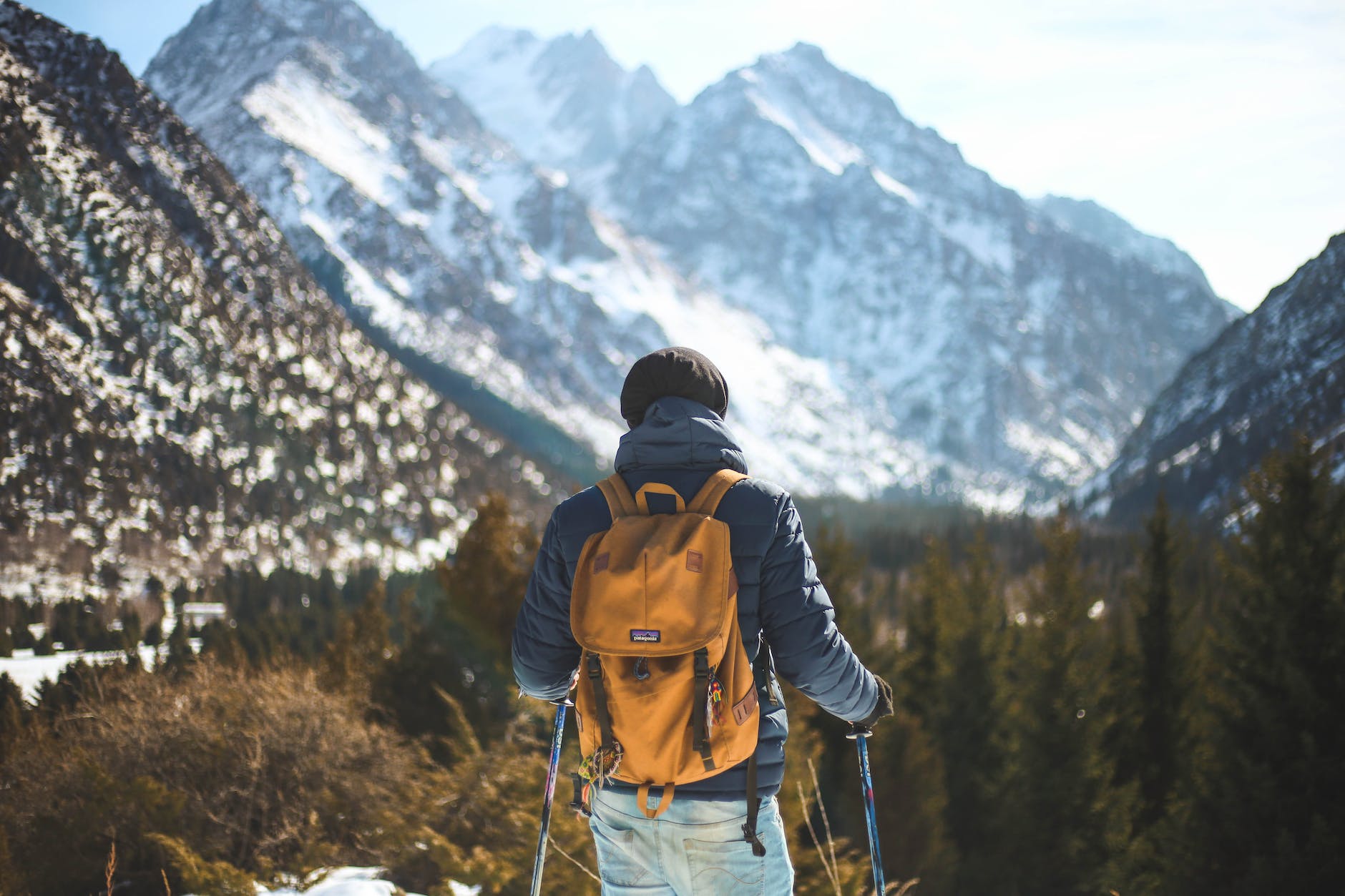
The essentials and must have items for any beginner hiker!
Whether you are an experienced hiker spending nights in the woods, or just going for a casual walk with a friend, every excursion should be planned out. This planning involves checking the weather and figuring out what trail to hike. However, very rarely do we think about the inevitable; what happens if we get lost or injured while out hiking?
The Scenario
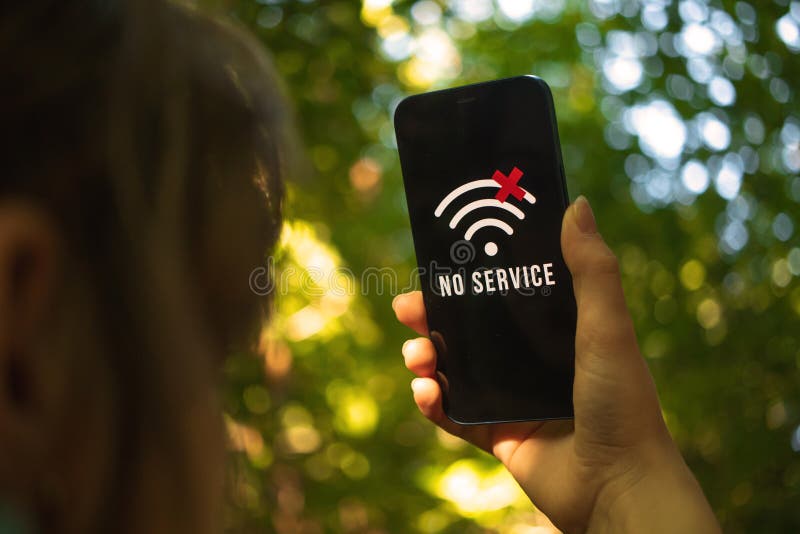
Think about it, you and a friend are out hiking for an afternoon. It’s a 65 degree fall day and you just planned to be out for a short easy hike. You are wrapped up in conversation and miss a trail marker. Now you have wandered off the trail and don’t know how to get back. Your cell phone does not have service and it’s getting dark. What was an easy hike, has now turned into a terrifying night of survival.
It’s very easy to accidently wander off the trail. I accidently did it at Sleeping Giant State Park (a place I hiked many times before) back in 2016. I had planned a 5 miles hike that quickly turned into a 10+ miles hike because of some poor trail markings. In 2013 a hiker on the Appalachian Trail got lost and died after straying off trail for a bathroom break. Law enforcement officials believe at least three K9 unites came within 100 yards of her campsite, about a mile from the trail. Her body wasn’t found for two years. A short 50ft exit from the trail and a 180 degree turn can be very disorientating and leave you confused on how to get back on trail.
I am not trying to scare anyone and I hope no one is ever in this situation. But if you are, you should should be prepared and have enough supplies to survive the night. The easy way to ensure you have enough supplies is to hike with a backpack! A backpack is generally light weight, and can hold a lot of supplies that could be life saving!
Essential Items
Hiking with a backpack of supplies is all about weight. The more weight you have from the items you’re carrying, the heavier your bag will become. The heavier your bag, the harder it’ll be to hike with it. It’s a delicate balance that every hiker has to find. Essential items are items that every hiker should always have with them regardless of the hike being performed. These are items that will become invaluable in a survival situation. I will explain these items in more detail and provide links for purchase. NOTE: I receive a small commission on all purchases.
Backpack
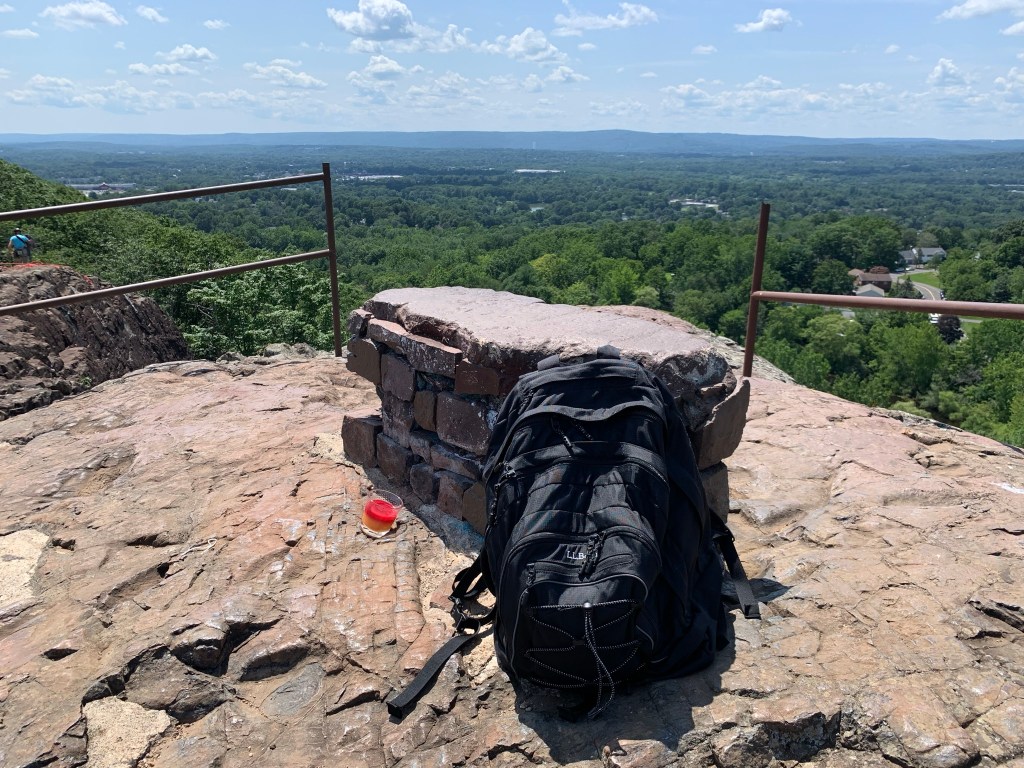
In you want to carry supplies with you on a hike, you will need a backpack. This Mountaintop Hiking Backpack is waterproof and is big enough to hold everything you need. The breathable shoulder straps distributes the weight making it perfect for those long hikes. The main compartment is large enough to hold a 16″ laptop (not sure why you’d take a laptop with you when you hiked, but it shows its a good size. The main compartment is also perfectly designed for a hiking bladder.
Food/Water
Without food and water, your chances of survival diminish rapidly if you’re lost. Even if you’re not lost, having enough food/water is essential for a successful outing in the woods. My food is typically a few granola bars or a bag of chips. I have also taken some fruit I packed the day of my hike. Knowing your distance and hiking conditions can determine what food you bring.
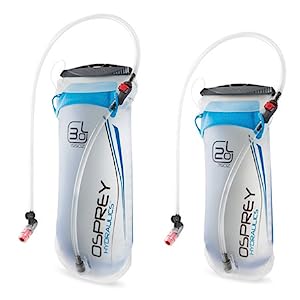
I carry my water in the Osprey Water Bladder, which can be purchased here. Since I tend to go through a lot of water, I carry the 3 liter volume (.79 gallons). However, if you are looking to save weight or space, you can order the 2 liter (.52 gallons) size. This bladder has a straw that can run from your bag, so you never need to stop if you need a quick drink.
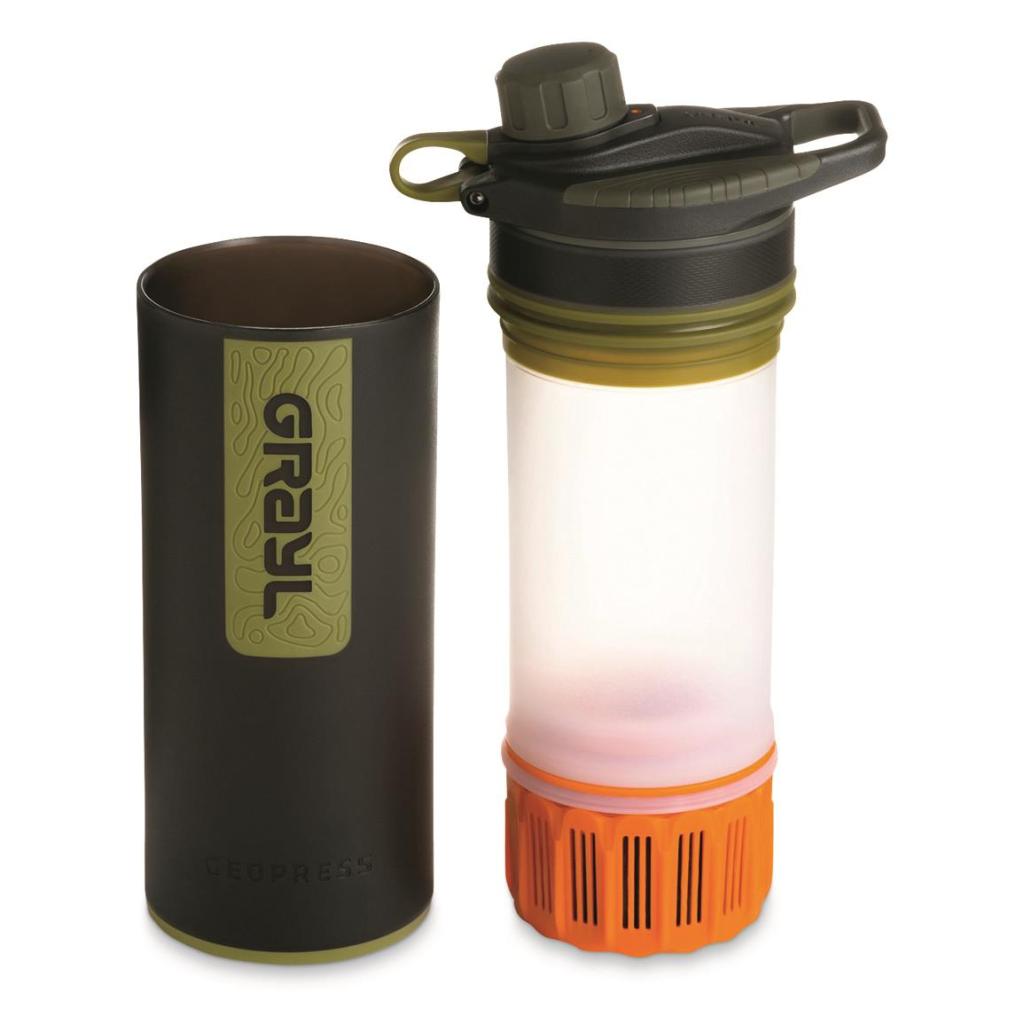
If you ever find yourself in a situation where you do run out of water, you will need a water filter before you can safely drink. When choosing a filter, the information can be overwhelming. I prefer the Grayl Water Filter, which you can purchase here. This filter used activated carbon to remove sediment, bacteria, viruses and microplastics. Most other filters will just remove the bacteria and viruses. I carry this with me because if I need water, this product will ensure it’s safe to drink.
First Aid Kit
If you plan on traveling across any moderate terrain or doing any overnight camping, you are going to want a first aid kit. While out on the trails, a simple cut or scape can easily become infected and turn into a major issue. Most hiking first aid kits contain antibiotics, itch/rash cream, sting cream, gauze and bandages. Some kits will also contain thermal blankets, slings and ointment to assist with clotting in the event of a serious laceration.
Survival Tools
Every hiker should have some survival supplies. These supplies should include a knife, survival blanket, and windproof and waterproof matches, bear spray (for fending off bear encounters/attacks) and a compass. All of these items could prove invaluable during your time in the woods. Click the links to purchase these items.
Non-Essential Items (But Recommended)
Non-essential items are items that will be useful while on your hike, but not necessary for survival or emergencies while on trail. With proper planning and preparation, these items could be left at the vehicle. Plus too much weight in your pack could slow you down and cause you to use water and food at a faster rate.
Extra Clothing
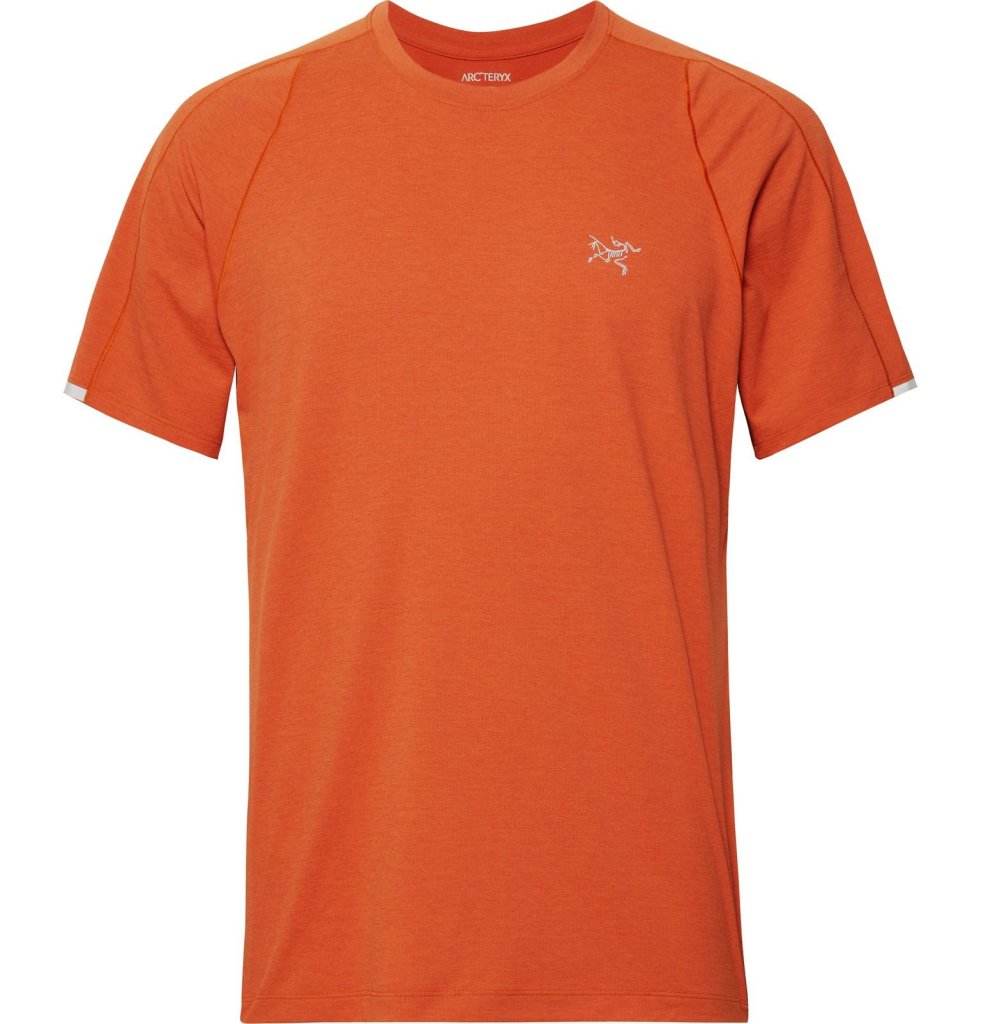
Extra shirts and pants are also essential while on trail. In the event of an unexpected rain shower, or just need a fresh set for a new day, a new shirt or pants could have a big effect. Clothing needs to be breathable, lightweight and visible. Most hiking clothing can easily fit into your hiking bag without adding too much weight. While I wouldn’t substitute a change of clothes for a first aid kit, you should definitely be prepared for all types of weather and events, especially if you’re doing longer overnight hikers.
Hiking Poles
If you’re hiking over along a rocky, muddy or snowy terrain, hiking poles can be handy. I wouldn’t place these items as “essential” because I would prefer a first aid kit or water bladder over hiking poles. However, if you have the space, a hiking pole could make all the difference on a long or moderately challenging hike.
Bug/Tic Repellent
While out hiking, you could be a magnet for unwanted insects and ticks. The insect repellent I use is called Natrapel Tick and Insect Repellent and can be purchased here.
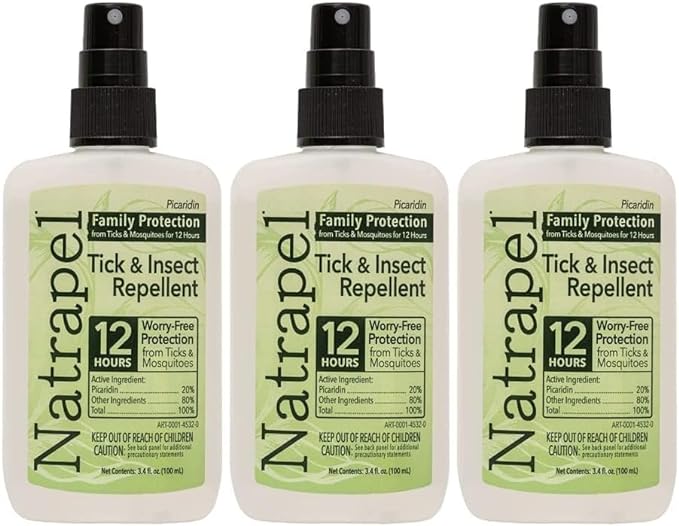
This product uses picaridin instead of DEET and is rated to repel ticks and insects for up to 12 hours. Picaridin products can be applied directly to the skin and side effects are extremely rare. This is my preferred insect repellent when I spend my days on the trail.
Conclusions
When it comes to hiking, there is no substitute to proper planning. Always know your route, landmarks and make sure you tell someone where you’re going and how long you expect to be gone. Anything can happen at anytime on any hike. Being prepared for anything means you are ready for anything. As I said before, a hiking bag is all about weight, the more you add the heavier the bag and the harder it will be to hike with it. So choosing your supplies is important. While I hope you never need to use any of these supplies, if something does happen you will have a better chance of survival with the right equipment!
If you are looking for any additional items including hiking boots, microspikes and other hiking apparel as well as more thorough review for these products please visit my products page!
 Off The Trails: A Hiker's Guide to the Outdoors