
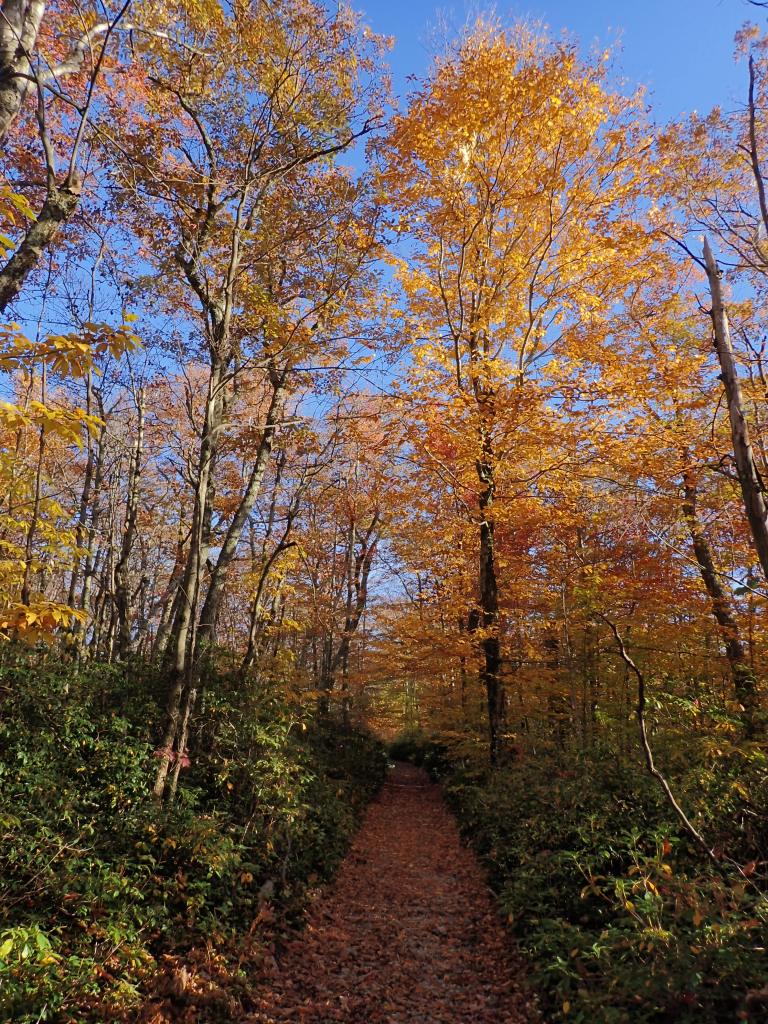
If you live anywhere in the northern United States, you will witness one of the most amazing spectacles nature has to offer. Every year around the end of September to mid October the leaves on most trees will turn from green to vibrant colors of red, yellow and orange. Travelers from all over the country come to New England and northern regions to witness this fall show.
THE PURPOSE OF A LEAF
This color change has a lot to do with the purpose of leaves and their structure. To fully understand this process, we first have to understand the function of leaves and why they are vital to a tree. The main function of a leaf is photosynthesis. Photosynthesis is the process of using sunlight to turn water and carbon dioxide into usable sugar for the tree. The tree absorbs water from the soil and carbon dioxide from the air. Electrons from the water molecules are then transferred to the carbon dioxide molecules. This transforms the water into oxygen and carbon dioxide into sugar. The oxygen is then released back into the air while the sugar is stored for a later time. This entire process is also driven by sunlight.
The leaf has 3 main functions in this process. The first and most important: it is the site of photosynthesis. The second is to support gas exchange. Oxygen has no use in the plant’s function, so any buildup can be detrimental to the survival of the plant. The third function is to help collect or remove excess water. Leaves come in all shapes and sizes; the size and shape of the leaf depends on the type of plant and the conditions it must survive in. This process is done by all forms of vegetive life.
CHLOROPHYLL AND CHLORPLASTS
Inside the plant cells are structures called chloroplasts (structures in a cell are called organelles). These chloroplasts contain chlorophyll, and it’s this chlorophyll that capture sunlight and convert it to useable energy (like a solar panel). Chlorophyll gives the leaf its vibrant green color. During photosynthesis, chlorophyll absorbs blue and red light, while reflecting green light. This reflected green light is why we see leaves as appearing green. In addition to chlorophyll, the chloroplasts also contain yellow and orange carotenoids. However, their color is masked by the large amounts of chlorophyll.
The green pigments remain vibrant throughout the spring and summer. However, in the fall, when the trees begin to shut down and there’s less sunlight available for photosynthesis, the chlorophyll also breaks down. This break down also means the green pigment fades away. As the green fades away, the carotenoid’s yellow and orange color takes over. Other chemical changes occur at the same time which also help create the colors of the fall foliage. But not all foliage years are created equal. There are many other factors that contribute to the fall spectacle.
HOW WEATHER AFFECTS THE FALL FOLIAGE
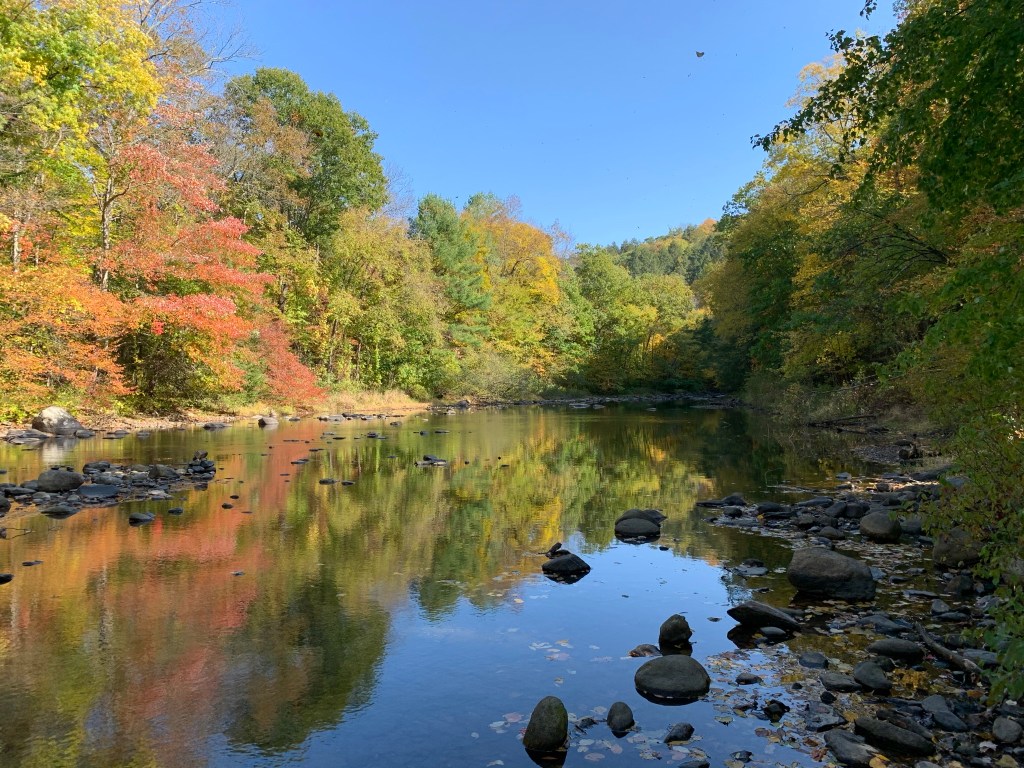
Since the foliage is dependent on the trees shutting down for the winter, a delay in winter or mild temperatures in the fall can have a big effect on the quality of the foliage. Weather before and during the time of chlorophyll degradation is critical. The two biggest factors that contribute to the fall foliage is moisture and temperature. Warm and sunny days with crisp and cool (but not freezing) nights bring the best colors. That is because the warm and sunny days promote sugar production while the cool nights also promote the loss of chlorophyll and closing of the tree.
Moisture in the soil can also affect the foliage. A severe drought or late summer thunderstorms can have drastic effects on the intensity of the colors. A wet and mild fall can reduce the intensity of the colors produced or delay the color by several weeks. High winds or heavy rain can knock down leaves prematurely. Each species of tree has its own specific balance that yields the best color change. The fall weather must be favorable for all species in the area to see the stunning colors.
NOT ALL LEAVES CHANGE
If you have ever stood atop a mountain in the fall, you may notice some trees do not change. Trees that contain needles (known as conifers), such as evergreens and pines, have evolved to withstand the harsh winter conditions. This means they do not go dormant in the winter.
The needle makeup of these trees helps promote their activity in colder months. The needle contains a waxy coating that makes the organelles and water molecules resistant to freezing. Another reason is the structure of these types of trees. They do not contain the same chemical makeup and organelle structure as trees that lose their leaves (known as deciduous trees).
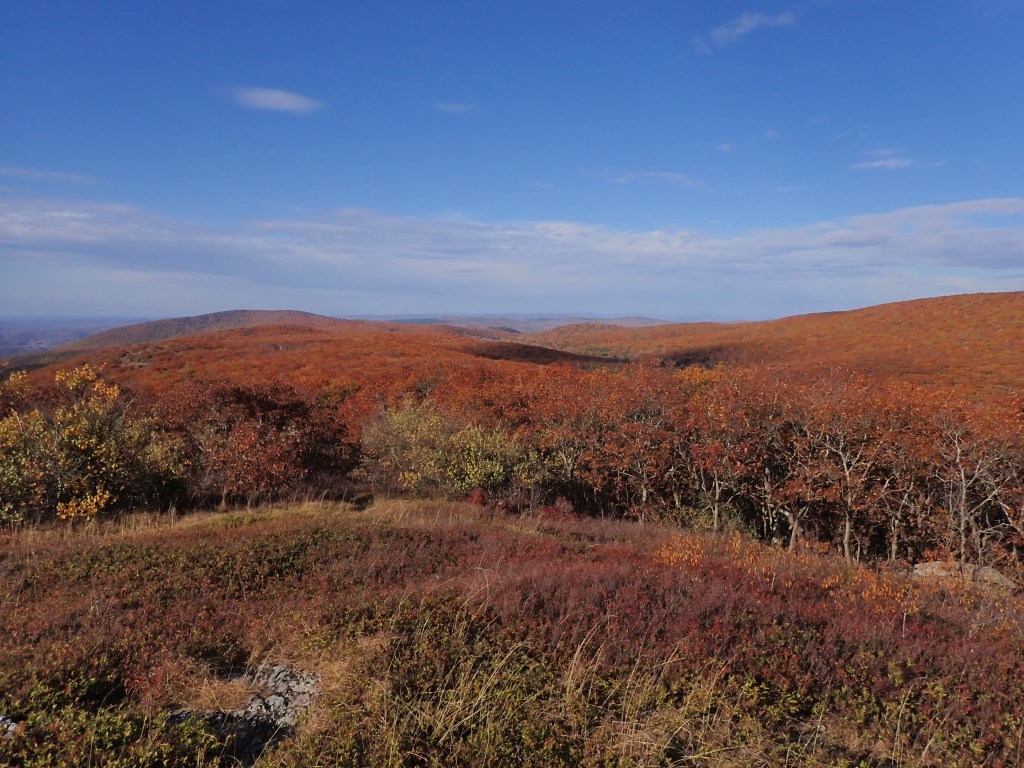
Certain trees will change color and certain species will produce different color combinations. A Red Maple tree will produce a scarlet color, while a Sugar Maple will produce more orange and red leaves. Black Maple trees are almost exclusively yellow in color, while most Oak species produce red, brown and russet colors. Species of Poplar and Beech trees produce yellow/tan leaves while hickories will be a a golden bronze color. The random array of tree species in a patch of land produce the fall display.
Nature will always find a way to survive. So the next time you hike up a mountain or walk in a park and see the colors, think about all that must happen in nature to produce the stunning scenery. No two seasons are exactly the same, and no tree will be the same each year. So many environmental processes need to happen at just the right time to produce a once in a lifetime view for all of us to enjoy!
REFERENCES
- https://www.gardendesign.com/trees/fall-color.html
- https://ssec.si.edu/stemvisions-blog/closer-look-fall-foliage
- https://harvardforest.fas.harvard.edu/leaves/factors
- https://www.fs.usda.gov/visit/fall-colors/science-of-fall-colors
- https://portal.ct.gov/DEEP/Forestry/Foliage/Why-Leaves-Change-Color
- https://education.nationalgeographic.org/resource/photosynthesis/
 Off The Trails: A Hiker's Guide to the Outdoors